10 Things that Can Kill Your Lawn
Keeping a lawn healthy and beautiful isn’t easy. From dogs to disease, there are many grass assassins out there that you need to defend your turf against. Below are just a few of the most common things that can kill your lawn and how to stop them from destroying your yard.
Drought
Let’s start with the most common summer threat: lack of rainfall. During periods of drought, make sure that you’re watering your lawn every day. You can use your hose or automate this with sprinklers. Early morning is the best time to water a lawn to reduce evaporation and prevent disease.
Flooding
Too much water will also kill your lawn. Prevent your lawn from getting boggy by sloping it towards drains or installing a drainage system in the lowest part. Aerating your lawn may also help to prevent flooding.
Shade
Lawns need sunlight. There’s not much you can do if a building or neighbor’s tree is casting a shadow on your property. However, if there are trees on your property blocking out the sunlight, trimming these could help to give your lawn more sun exposure.
Disease
There are various lawn diseases that you need to be wary of including necrotic ring spot, pythium blight and rust disease. Patches of yellow or brown grass are a sign of disease – consider investing in fungicides or use a natural solution like neem oil. Avoiding watering in the evening may help prevent disease.
Snow
A bit of snow usually won’t kill your lawn. In fact, it can provide gradual water and insulation. However, long-term snow cover may lead to frost damage or disease like snow mold. Hire a snow removal company or attempt to remove the snow yourself if it’s been covering your lawn for a few days.

Pests
Grubs, worms and ants can all wreak havoc upon your lawn. If you notice unusual patches, look out for pests crawling about in the undergrowth. This video offers a few tips for getting rid of turf insects.
Weeds
Invasive plants can also destroy your lawn. This could include invasive grasses or plants like chickweed and creeping Charlie. Placing borders between lawns and plant beds can help to reduce weeds. In many cases, manually pulling out weeds is the best solution to remove them.

Leaves
Not clearing leaves off your lawn in fall can starve the grass of sunlight and potentially encourage diseases and pests. This is why you should regularly rake your lawn between September and December – especially if there are lots of trees around your lawn. A leafblower could help to make this task easier.
Dogs
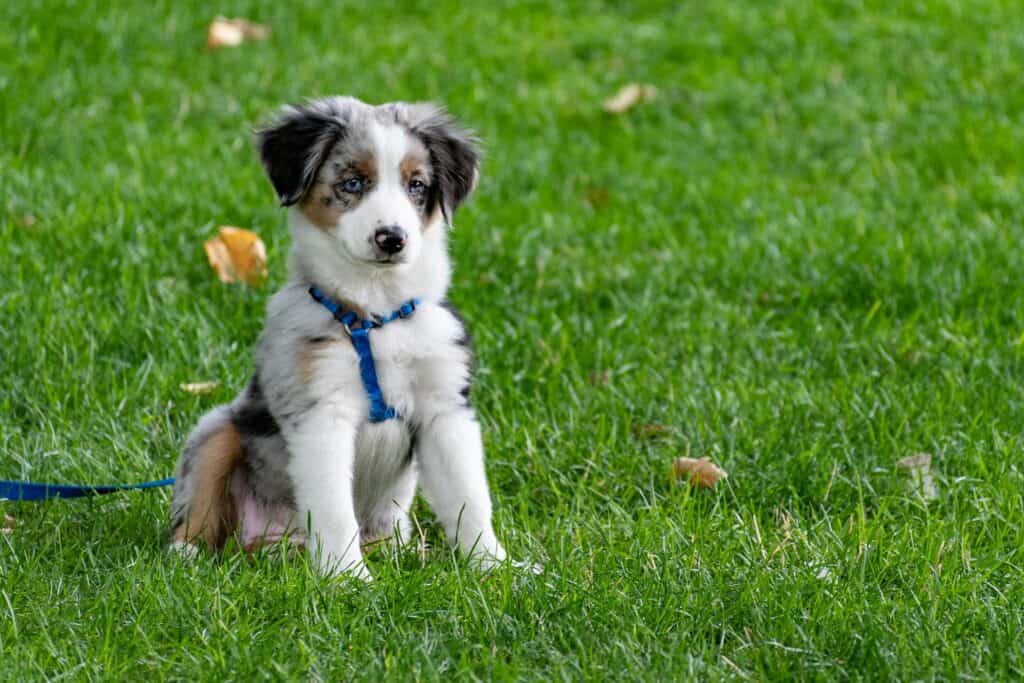
Dog owners typically need to be prepared to make compromises – your dog might cause damage to your lawn by running and urinating on it, and there’s not much you can do to prevent this. (And, it’s totally worth it!) The most important thing is to prevent them from digging, as nobody wants a lawn full of craters. This post offers a few tips on how to stop your dog digging up your lawn.
Moles
Finally, keep an eye out for moles. If you’re discovering lots of mysterious holes, moles are probably the culprit. You can repel moles using ultrasonic devices or liquids like castor oil. You may also be able to lay mole traps, but some states have regulations against this. Certain pest control services may be able to help you find a solution.