Don’t Wait for the Perfect Project – Use Your Best Supplies Now
Many of us have a drawer, basket, or carry-case filled with supplies we consider “too good” to use. The premium, beautiful paper. The better inks. The paints that were a splurge. There is an urge with all of these products to keep them for a perfect project – and the standard required for this level is much higher than anything we would realistically want to undertake. Those supplies might as well be stored under glass and occasionally looked at; it’s hard to imagine when they might be used.
Holding back your favorite materials, though, may well have the opposite effect to what you intended. Instead of elevating your work, it keeps you stuck. Instead of inspiring you, it simply pressures you to judge yourself worthy of using the supplies. And sometimes, you never get around to using them.
The Problem with Waiting for the “Right” Project
Part of the reason we save our good materials is straight-up emotional. We don’t want to “waste” something beautiful on a trial piece or a rough idea. We hope that one day we will be inspired, with enough brilliance, to justify using our best materials.
Waiting for the ideal conditions, however, often narrows your creativity instead of expanding it. It places unnecessary weight on future projects, because what can ever be good enough to justify using the perfect materials? That kind of internal pressure will have you looking for 100% perfection, but experimentation is where most great breakthroughs begin.
There is also a confidence element to this. When we’re unsure of our skills, we tend to default to the materials we consider “safe”, or less precious, more expendable. It feels forgiving to practice on what we consider to be scrap paper, with less valuable tools. But when that becomes a habit, we teach ourselves that we don’t deserve to use the good stuff yet.
Using Better Supplies Can Build Better Skills
When you use your higher-quality materials, it doesn’t just feel like a treat – your work might actively improve. It’s not a surprise that this would be the case, either. These materials are designed to behave better and respond more sensitively – offering results that encourage you instead of frustrating you.
Good paper handles ink more efficiently. Quality brushes hold their shape better across multiple uses. Rich pigments mix more cleanly. Tools that feel good in your hands support your technique.
Perhaps, more importantly, using the higher-quality supplies sends a powerful message to you: my creativity is worth it, I don’t need permission. You don’t need to master the skill or prove anything to unlock the better materials. You can use them whenever you want.
Starting as You Mean to Go On
You don’t have to go from 0 to 100 overnight. Small shifts are often the most sustainable in the long run. Think of ways to ease into using the good supplies, rather than saving them for some imaginary perfect moment.
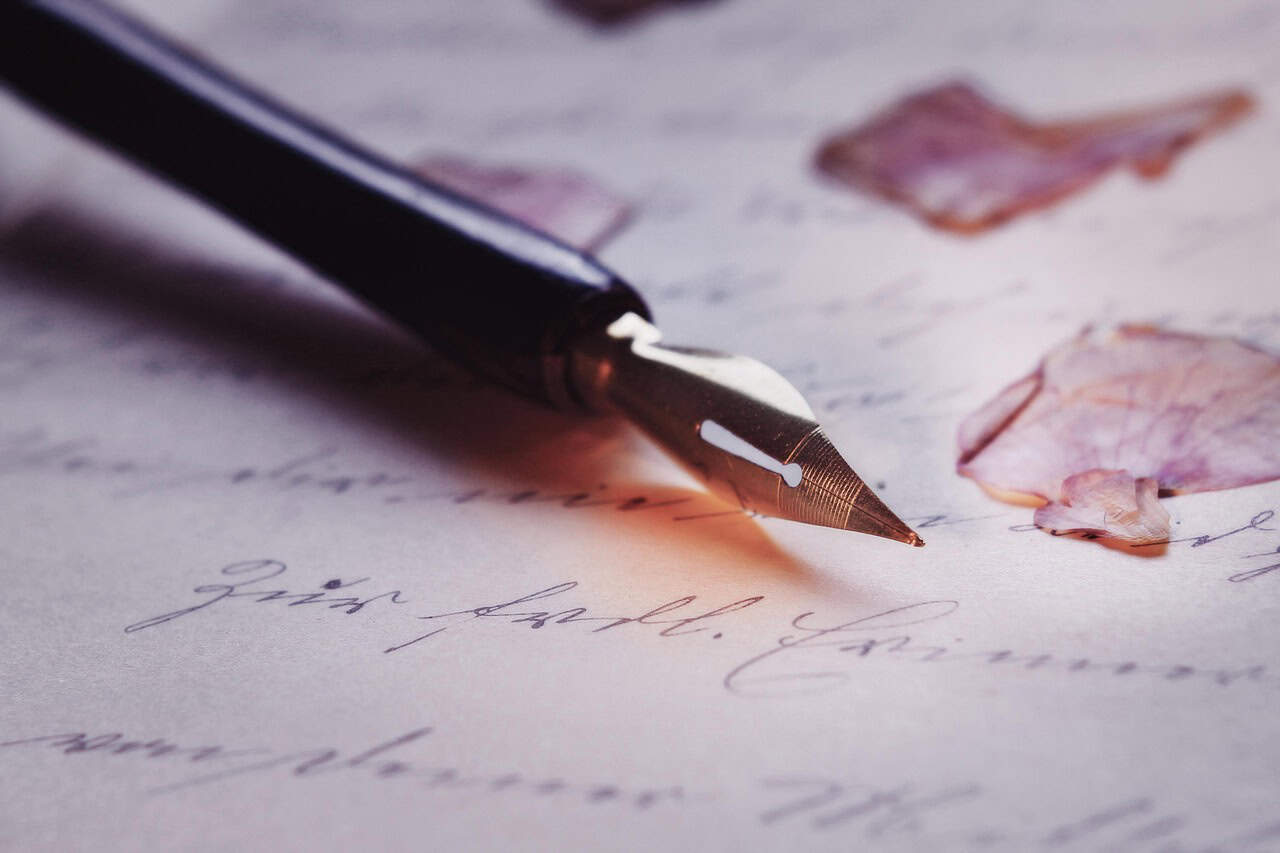
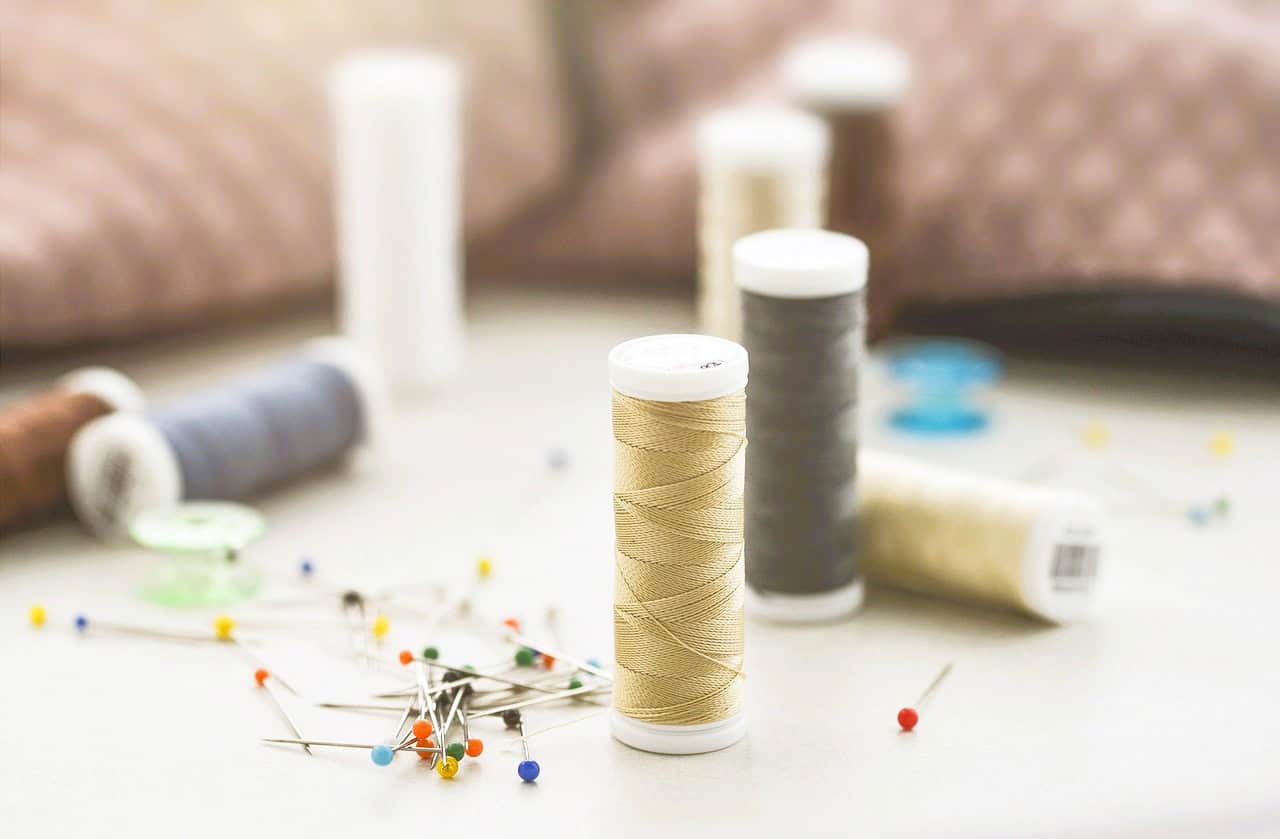
Try it like this: the next time you sit down to be creative, choose one thing from your “good” collection and incorporate it into something you’re already doing. Use the fancy ink for a journaling page. Take the high quality paper and make a test sheet to see how colors swatch on it. Bring out the fabric you’ve been keeping and make something small, like a patch that can tie into later sewing projects or mixed-media pieces. When the stakes are lower, your mind relaxes and you get to feel the uncomplicated joy of working with nicer materials.
Creativity is Not a Finite Resource
A lot of reluctance around using the better materials comes from an understandable sense that materials are scarce, creativity fragile, and inspiration not to be wasted on anything less than a perfect outcome. But creativity isn’t meant to be rationed. It grows the more you use it, and it benefits by being encouraged.
When you reach for your best supplies, you’re not being overly indulgent. You’re acknowledging that creativity grows through doing, not waiting. You’re trusting yourself, and you’re treating your hobbies like something that matters, and something that has the power to make you feel positive. Because if you’re not doing this for the joy of it, why are you doing it?